Our Mission at the International House of Waldorf-Steiner is to support the individual growth and development of each child based upon the principles of Dr. Rudolf Steiner's educational philosophy.
We maintain a small class system within a caring family environment. Each child's unique character is embraced and nurtured towards developing an independent, thoughtful being with the creative thinking skills necessary to thrive as a "citizen of the world."
In addition to the regular program, and unique to Tokyo, the school also offers a special program designed for exceptional students who need specific, professional support.
Like all Waldorf schools, our school emphasizes a multi-sensory, joyful approach to learning that aims to nourish, protect and develop the spiritual, intellectual, and physical capacities that are within all children. This is accomplished through the integration of vital artistic activity (drawing, drama, music), along with self-exploration of academic subjects, which fosters an awe and reverence for the wonders of life and nature. It creates an appreciation for one's own humanity, cultivating respect and compassion for others.
The students develop a joy in learning, natural self-discipline and other inner resources to enrich them individually and in community as they fulfill their chosen destiny in life.
A Quest for Eternal SpiritualityThe Waldorf Education was developed by Rudolf Steiner (1861-1925), an unique humanist and scientist, who gave profound insights, not only into the human condition, but also medicine, agriculture, the arts and the sciences, and education.
Rudolf Steiner's philosophy of child development places great importance on the mental, emotional, spiritual and physical nature of each age level. Furthermore, it encourages the development of a receptivity, an openness, to learning in addition to the development of healthy physical bodies. He realized that children must develop basic physical, social and creative abilities along with the nourishing of the spirit in order to be well prepared for greater intellectual learning.
For more in-depth information about the Steiner method of education please check these websites:


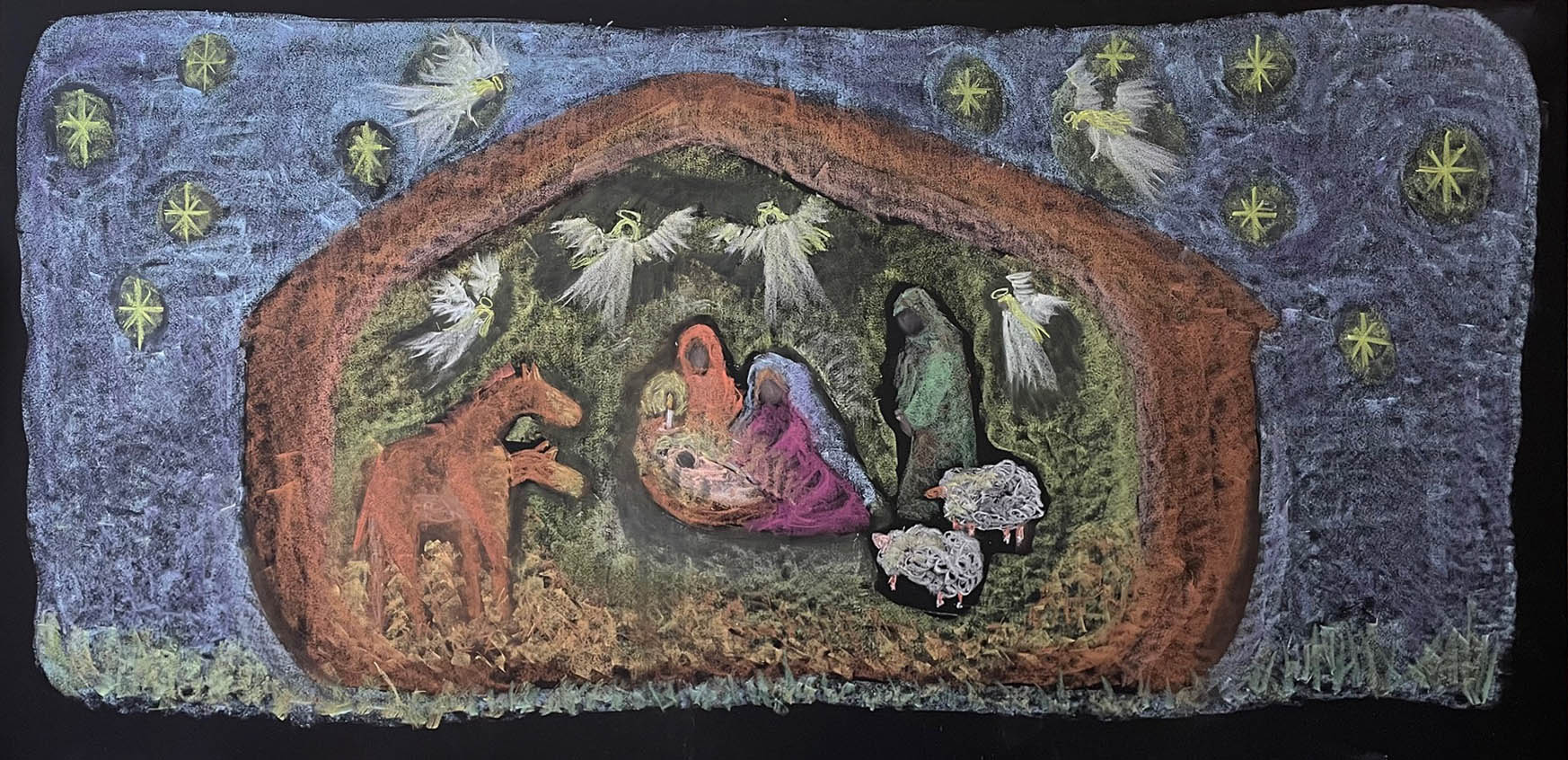
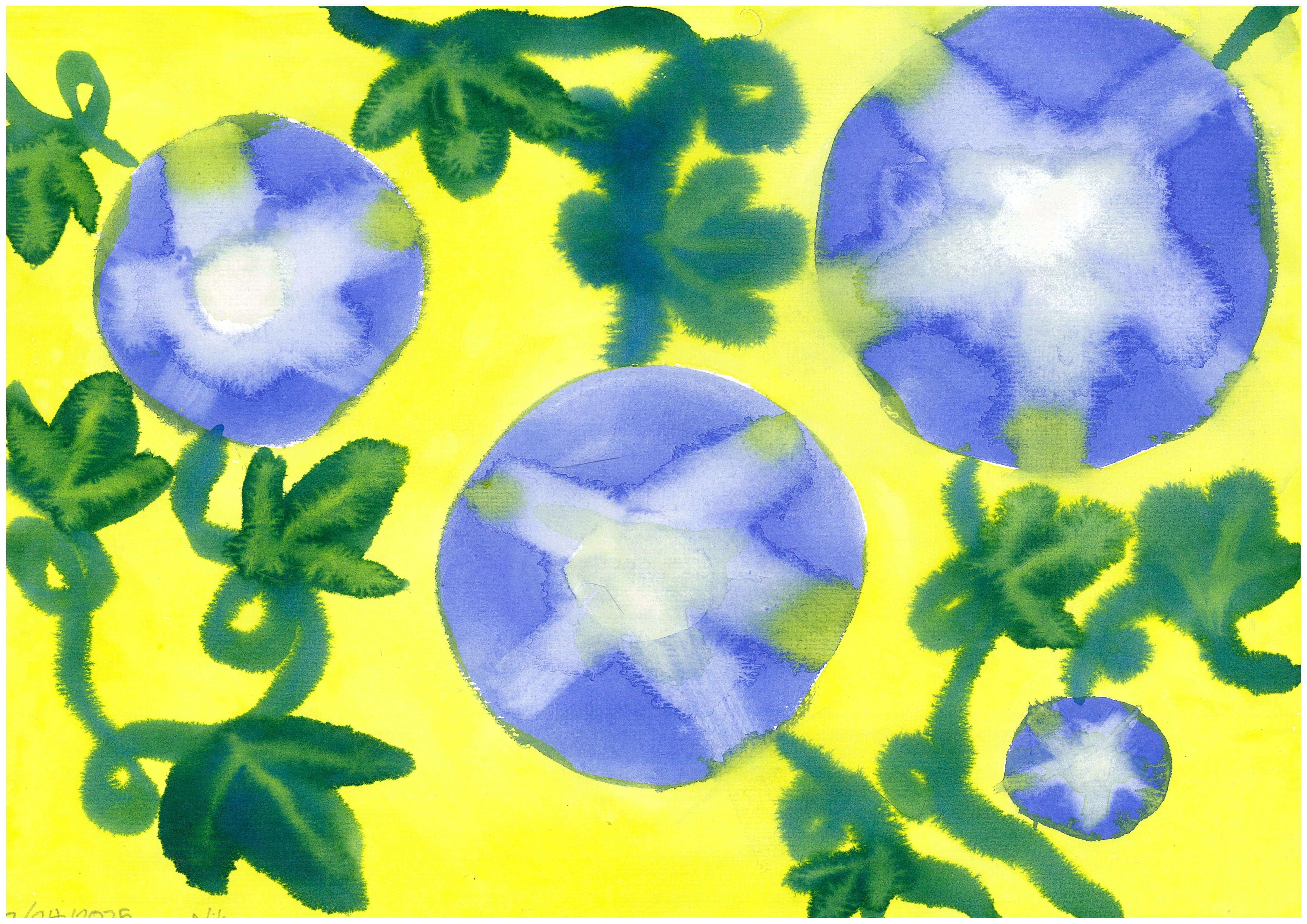
 Children's Works